How to Spot Early Signs of Fungal Disease in Crops
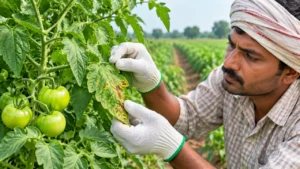
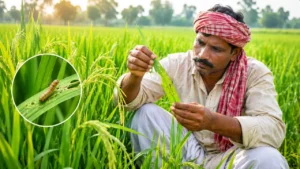
Plant diseases can develop quickly when crop conditions favor infection. Regular inspection helps farmers notice unusual symptoms early and avoid confusing disease with nutrient deficiency, insect damage, or environmental stress.
Common warning signs
- Leaf spots: Brown, black, tan, or yellow spots that gradually enlarge.
- Powdery growth: A white or grey coating on leaves or stems.
- Rust-like pustules: Small raised orange, reddish, or brown marks on leaf surfaces.
- Wilting or stem lesions: Unusual discoloration, soft tissue, or drying that does not match normal crop development.
- A pattern that spreads: Similar symptoms appearing on nearby plants over several days.
Symptoms differ between crops and diseases. A photograph can help document changes, but it may not be enough to identify the disease conclusively.
What farmers can do
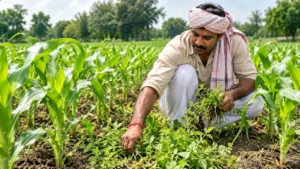
- Inspect both sides of leaves and check stems and nearby plants.
- Note the crop variety, growth stage, recent weather, irrigation, and when symptoms first appeared.
- Avoid unnecessary overhead irrigation where it keeps foliage wet for long periods, while still meeting the crop’s water needs.
- Maintain suitable plant spacing and field hygiene according to crop-specific recommendations.
- Seek diagnosis from a qualified agronomist or local agricultural extension service when symptoms are spreading or unclear.
Use fungicides responsibly
Not every leaf spot is caused by a fungus, and a fungicide will not solve every plant-health problem. If treatment is recommended, use a product registered for the crop and diagnosed disease, and follow the label exactly. Observe resistance-management advice, application intervals, protective equipment requirements, and harvest restrictions.
The takeaway
Frequent observation, accurate diagnosis, and sound crop management are the foundation of disease prevention. Treat the cause—not just the appearance of a damaged leaf.
General educational information only. Confirm diagnosis and treatment choices with local agricultural experts and approved product labels.